
5 Emerging Luxury Trends Revealed For 2027
Today’s luxury consumer may spend his money on a trip to French Polynesia rather than an expensive watch or a bag. Bain and Altagamma calls this movement Finding a New Longevity for Luxury, where the luxury goods industry lost close to 20 million customers in a single year. There were 330 million active luxury consumers at the end of 2025, down from 400 million three years earlier. That is a 17% reduction in the number of luxury consumers!
“The luxury trends in 2027 are much more eccentric. The growth of the market has somehow returned, but the consumers are still reluctant to splurge on superficial materials”, Jon Basker, director at Global Bay, said.
Contrary to popular belief, presenting your brand in a competitive luxury market is not just about giving a distinct identity to companies. It is about making your products and services look like something customers consciously choose to have in their lives.
Which is why, over the past years, many luxury brands have moved past soulless business strategies towards purpose-driven approaches, which shows that the company has more reasons to sell its products and services than just making money.
This piece covers five trends shaping the luxury market in 2027, including crucial decisions and changes worth making to your website before January.
What Changed In The Luxury Market Between 2024 And 2026?
In 2023 and 2024, price elevation stopped working in favour of the leading luxury brands in the world. And, as Gen Z and millennials became one of the largest groups of luxury consumers, this wake-up call reached even the most stubborn luxury brands, which were then facing economic turbulence due to their stiff and outdated marketing strategies.
The buyers, in 2025, finally started walking away.
Luxury brands in 2027 are fighting against two opposing signals.
Globally, personal luxury goods sales fell 2% at current exchange rates in 2025 to 358 billion euros. Price hikes and a heavy focus on top spenders have driven away roughly 70 million consumers since 2022. This means that luxury buyers did not change their behaviour. The buyer pool has shrunk.
On the flip side, long-range forecasts assume a widening customer base. Mordor Intelligence values the global luxury goods market at 484.15 billion dollars in 2026, projected to reach 598.17 billion dollars by 2031 at a 4.32% compound annual growth rate.
Both are true.
Near-term price hikes repelled aspirational buyers. Do not expect that future growth will come from doing more of the same. The expansion is projected by relying on brands that will rebuild their entire funnel.
The 5 Emerging Luxury Trends Of 2027 And Beyond
The dynamics and opportunities that affect the luxury market affect every brand individually. Global Bay is a leading digital agency and helps small and globally recognised brands to supercharge their digital transformation and stand out in a sea of luxury competitors.
To protect your brand equity and capture long-term market growth, you have to follow five emerging luxury trends for 2027 that will reanchor the whole market in the coming years.
1. The Concept Of Mass-Produced Luxury Is No Longer Viable
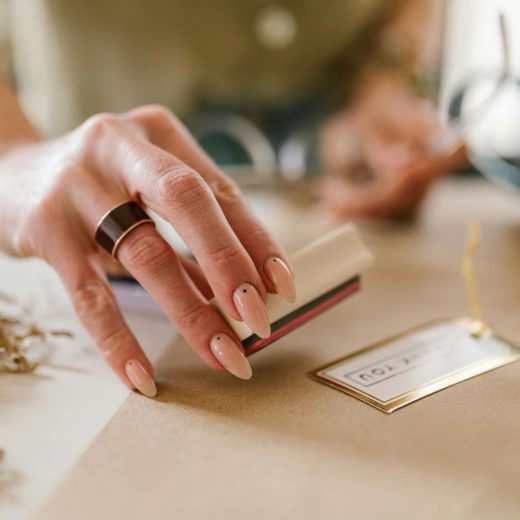
In 2027, luxury brands will focus on offering personalised experiences to segmented audiences that can resonate with the brand more than the other groups do. Jordan Brand is the prime example of this trend. The 7 billion dollar basketball label posted a mid-teens revenue slide, and chief executive Elliott Hill is now rationing retro releases as part of a 2.5 billion dollar restructuring.
Too many products, too many designs, and extreme availability can crush desire of customers, and no amount of marketing can bring it back. If you want to preserve the reputation of your luxury brand, you must understand that luxury consumers now desire scarcity.
Global Bay delivers personalised services to luxury brands in the form of dynamic content on websites, tailored ads, exclusive offers and relevant product recommendations.
Limited availability and supply discipline make luxury consumers feel special, as they believe that every new release is tailored for them. New releases with a limited number of stock announced publicly, waiting lists for restocks that are genuinely different in colour or material, or a partnership that strengthens a luxury brand. This is why more customers are expecting thoughtful experiences from luxury brands in 2027. Many brand owners will argue that constraining supply will reduce their revenue, but if Nike is spending 2.5 billion dollars to relearn this strategy, you must pay attention to it as well.
2. AI, Which Searches and Compares On A Luxury Customer’s Behalf

Meta introduced its AI assistant Muse at Meta Connect in September 2026. Muse is now available on all iOS devices, and will soon be present on Android ones as well. A potential customer of a luxury item may scroll thousands of Instagram videos in a day. With one click, Muse can analyse their organic behaviour and curate a personalised shopping list for them. How much more tempting can a personal digital stylist be?
OpenAI, Google and Perplexity have all created agents that search, compare and buy on the luxury customers’ behalf. Jon Basker has made an argument about this trend, in which he says that heritage and a house history no longer guarantee that a luxury customer will like your brand. Automated shopping has removed privilege and put everyone on the same rostrum. What matters now is a brand story that stands out in a summary created by a machine.
These AI agents read text, structured data, and what third parties say about you. If you want it to recommend your product when someone searches for a cashmere coat for light winter under 900 pounds, your site has to answer that question in language that a machine can understand.
Global Bay excels in such data-driven strategies to help luxury brands make their customer journey hyper-personalised.
3. Green Business Will Tell You Apart From Other Luxury Businesses In 2027
Bain found that 90% of luxury consumers think the customer experience is much the same from one brand to the next, and 70% are unhappy with the in-store experience they get (Bain and Altagamma, reported by Luxury Tribune, January 2026).
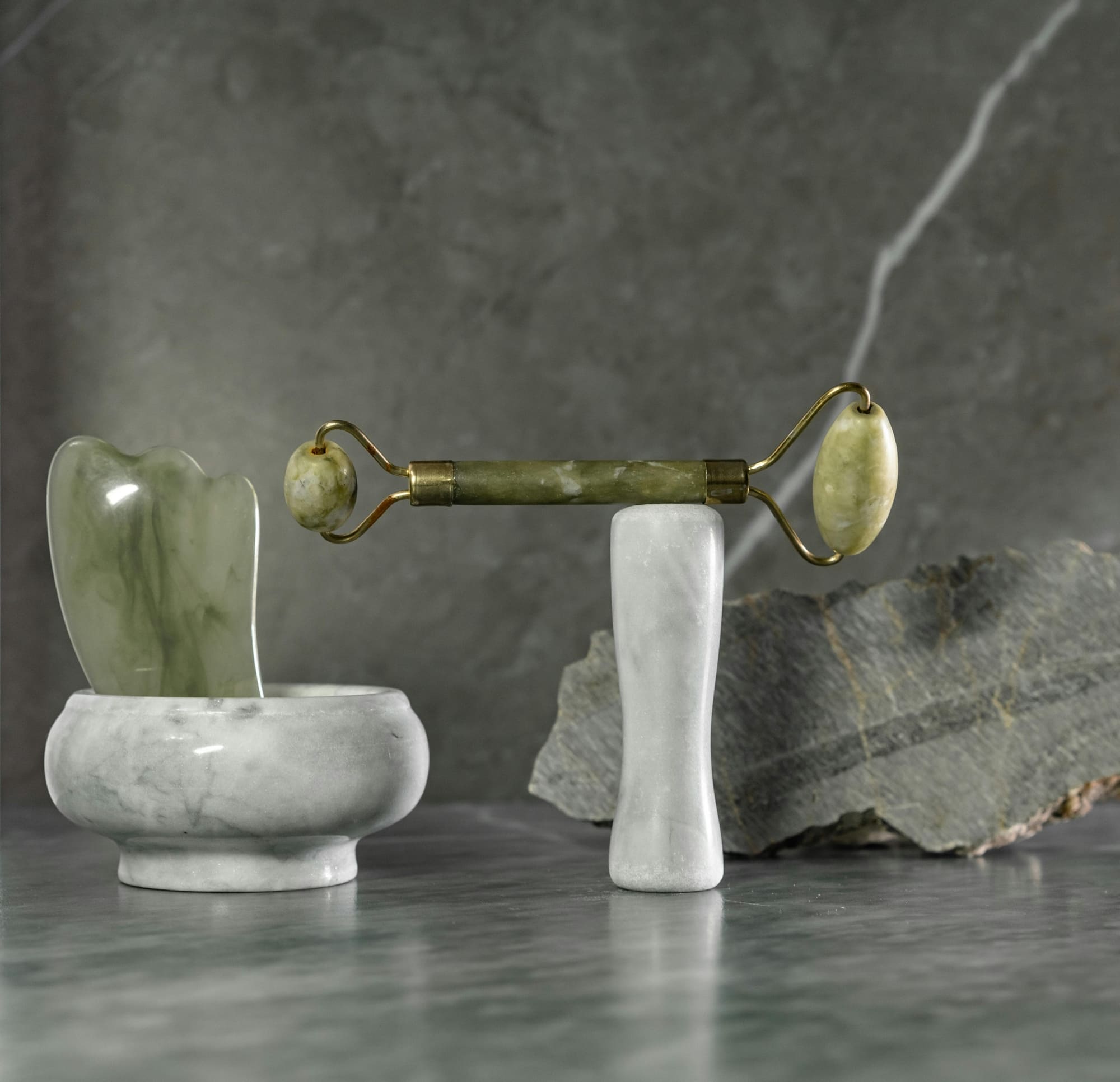
It is very easy to build a brand by studying your competitors. Copy their marketing, copy their sales campaigns, copy their partnerships… sounds easy, doesn’t it? But if you do that, five years from today, that competitor you copied will still remain an original brand, whereas yours will look like a forgery.
When we rebuilt the site for Flamingo Jewellery, the founder’s history was interesting enough to build the whole brand upon. Emily Rogers spent fourteen years in the Mayfair diamond trade before starting the brand in 2013. Her gemstones are chosen by hand and traced back to artisan mines in Sri Lanka. No competitor could claim it. We rebuilt her website upon that positioning, and monthly traffic rose 150% (you can read in full in the Flamingo Jewellery case study.)
But if you do not have a good story to tell about your brand, yet, one of the luxury trends in 2027 that can bring uniqueness to your brand is sustainability. The high-net-worth individuals in 2027 will want to know how brands are taking action towards sustainability. Luxury brands are driven by this consumer demand, which is why sustainability will be one of the best business practices in 2027.
Our climate positive website care plans do not just pretend to comply with green business. They can help you manage a supercharged website while making a positive impact on our planet.
4. Gen Z And Millennials Are Transforming The Luxury Market
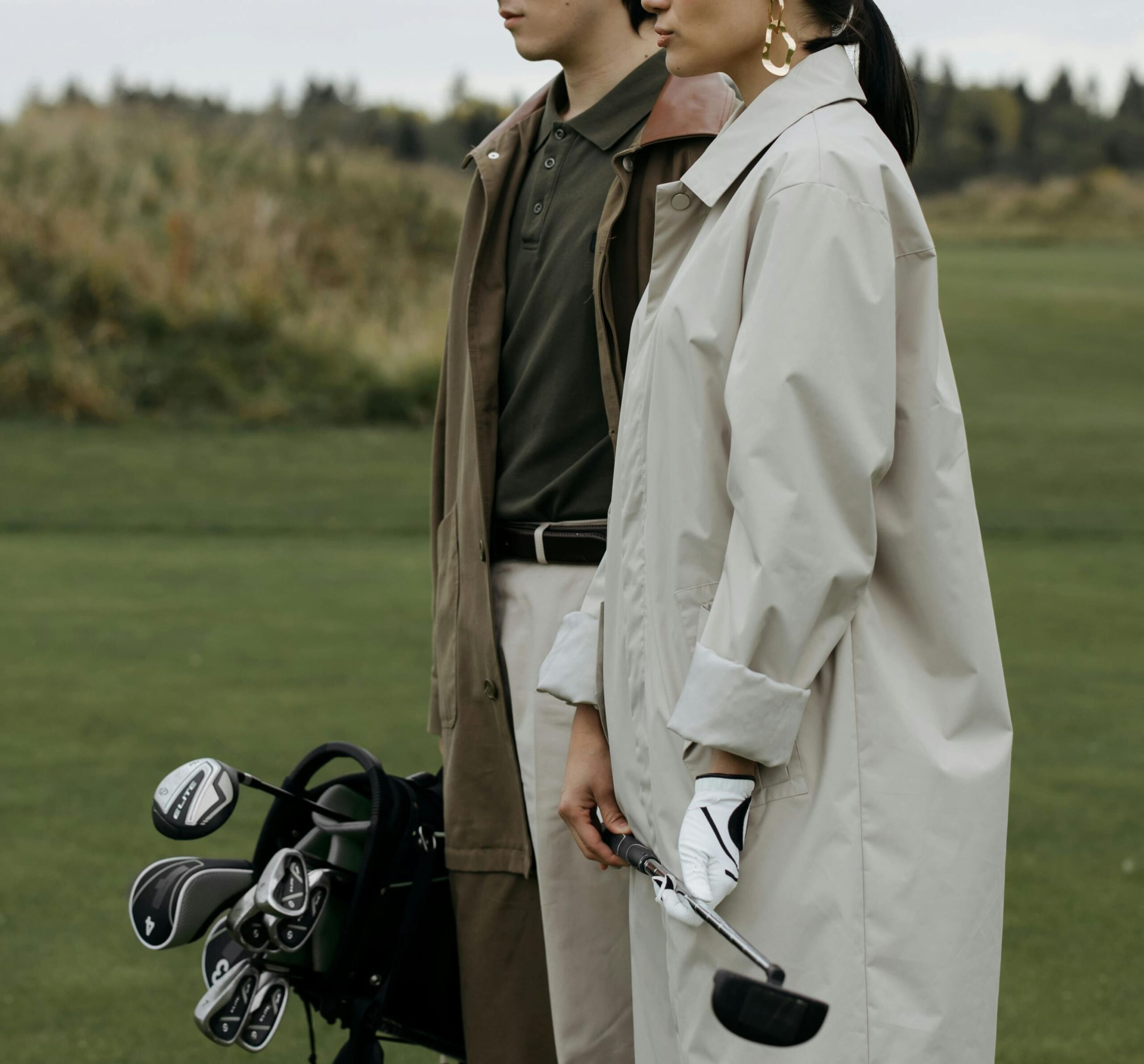
Studies over the years have predicted that millennials and Gen Z will be transforming the luxury market by 2027.
Coach is one of the most popular luxury brands among Gen Z consumers. Everyone from high-profile figures like Bella Hadid to a sports model in Brisbane is wearing a Brooklyn Shoulder Bag. This bag costs five to ten times less than a luxury European product, but the lower price point is why it sells in the first place.
These younger generations are demanding that brands look beyond their four walls of luxury and make way for new ideas and collaborations (the latter is the key to new luxury trends in 2027!)
To tap into this market, luxury brands must create lasting relationships with youth. Jo Malone, e.l.f. and CeraVe have already moved inside games to boost their product discovery. The metaverse push of 2022 mostly failed due to the bulky, expensive, and inconvenient technology.
This. This is different. The youth play Minecraft, Roblox and Fortnite. Moving your brands right where their eyes are glued all the time is one of the smartest moves to present your luxury brand.
Even the digital luxury frontier, China, has its luxury market driven by these two groups of HNWIs, Gen Z and Millennials. Thus, interactive online game experiences, innovation, influencer marketing, exclusivity, and socially conscious digital campaigns are the keys to resonating with the younger demographics.
Pay attention to which luxury brand archetype you are actually operating as, and pick the product that best represents you. And there you go. You have unlocked a new potential for your luxury brand!
5. Luxury Marketing Will Become Hyper-Local in 2027

Many luxury customers like to shop in London, Paris and Milan rather than at home, which is why the events where UHNWIs actually gather matter a lot.
However, “relevance over reach” will also be one of the driving forces of the luxury market in 2027, along with hyper-localisation. This means that a one-size-fits-all marketing strategy no longer works in crafting a luxury brand, and Nike is affected most by this trend. Its Chinese sales have declined, and threatening pressure from Adidas and On has started the chain of a 2.5 billion dollar restructuring, as we discussed above.
Take another example of the gold jeweller Laopu Gold. A Wealth Briefing survey found 56% of mainland Chinese consumers preferred to buy local brands during 2025. But tapping into local markets means recognising the behaviour and trends of consumers across different regions.
So, it is proper localisation, exclusive events, pop-up boutiques, and tailored product offerings that are crucial to strengthening a luxury brand’s hold across specific regions in 2027.
What Should Change On Your Luxury Website Before 2027?
The luxury market is changing, and new trends and guiding principles are emerging as 2027 nears. At this time when young consumers are driving the luxury industry forward, these five trends will be a powerful tool for your brand engagement to drive success.
For any rebuild project or web design from scratch, we believe the following significant changes must be applied to any luxury website in 2027:
- Rewritten product pages with info that ChatGPT can easily organise in a chart, such as pricing details, material source, the time it takes to deliver, and the place it was made.
- Blogs and resources should have a named author with real credentials because they matter a lot to Google, or a model deciding who to cite.
- Load speed on mobile has always and will always be a top priority for luxury brands.
- An entry product must be given the same respect and attention, so that a customer with a smaller budget has somewhere to land on your website.
- Publish care and repair information. It signals that, while the product you offer is built to last, you also care about your customer and their problems.
Grow Your Luxury Brand With Global Bay
The next three years will reward brands that are cited on LLMs and have an unforgettable identity. A long-term collaboration with Global Bay, one of the leading digital agencies for luxury brands in the UK, ensures that you do not have to deal with these global trends alone. Branding responsibilities will be distributed, and our close-knit and professional team will set new standards for your brand, making it more authentic, connected, and relevant in the digital landscape.
If you want to know which of these five luxury trends you should implement in 2027, book a call with our team, and we will go through your site and present you with the easiest and most effective solution. Now is the time to think and take action.